
Expert
How to communicate difficult public decisions without sounding defensive
A decision may be well-founded yet still come across as poorly explained. This happens in a call for proposals where many organisations are left out.

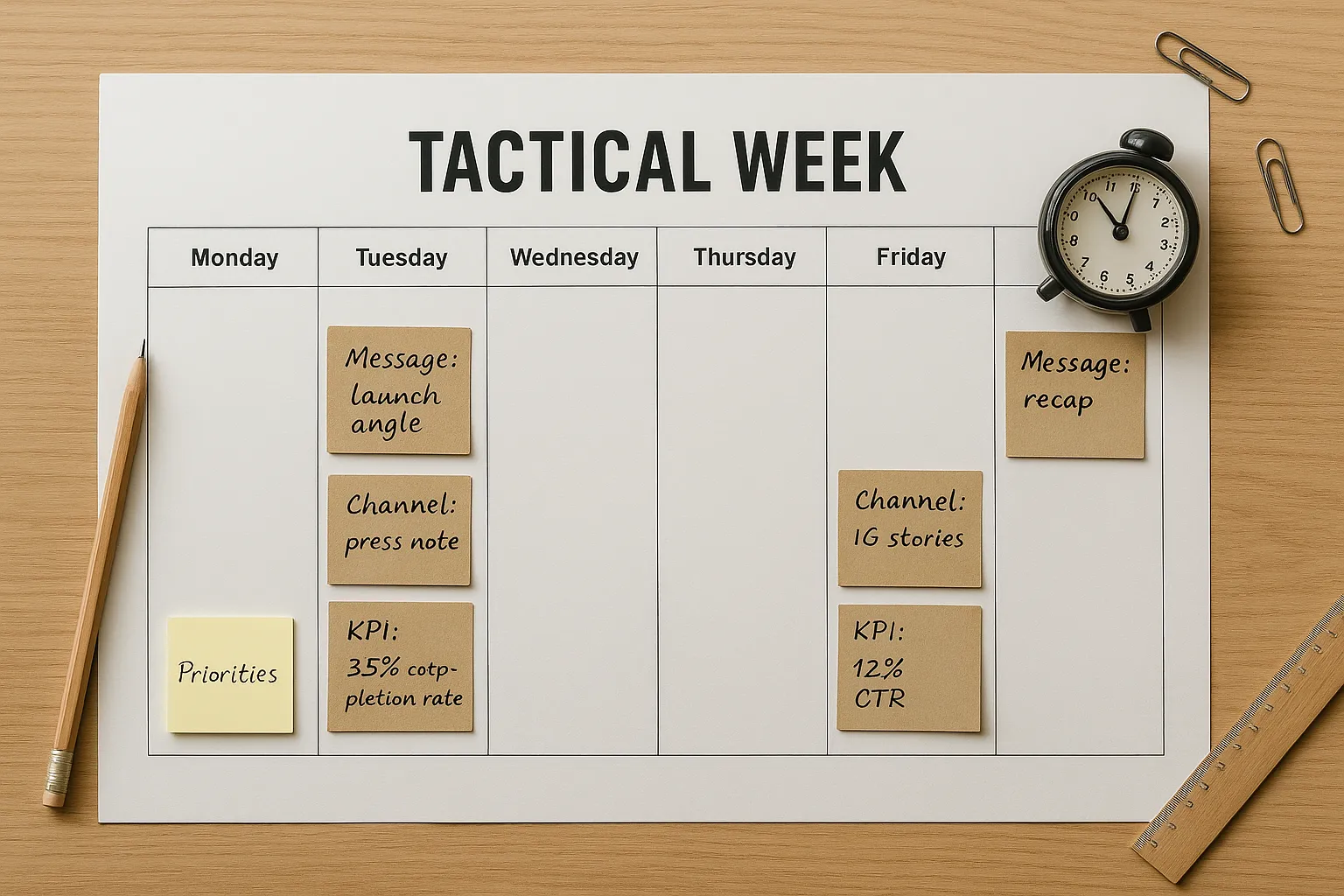
Is your message not convincing? Are your objectives lost in execution? It’s no coincidence. Solid strategies (based on data, active listening and content aligned with audience values) fail constantly. Why?
Because not enough attention has been paid to their execution.
It is common to see institutions focusing their resources on strategic communication consultants who work on the message and narrative. Meanwhile, tactical professionals have less prestige and receive fewer resources. In contexts of budget cuts, this tactical function falls to programme managers or assistants who execute activities and manage schedules. But the role of the tactical communicator goes far beyond coordination: they are the ones who translate strategy into action.
This scarcity of resources contradicts the urgent need to create narratives that compete globally and spark public interest without resorting to populism. Faced with an abundance of voices and channels, some institutions have centralised their message and adopted strategies that resemble marketing more than communication or public diplomacy. However, the message is as vital as its projection and reception.
For this reason, in this blog, I would like to defend the role of the tactical communicator and provide examples of how culture can foster authentic human connections and fundamental changes in perception on complex issues such as climate change, diversity, and the response to domestic violence.
The tactical communicator operates as a highly specialised translator of cultural contexts. They do not translate languages, but realities: they convert general strategic objectives into specific actions that resonate with particular audiences, at precise moments, through channels that those audiences use and value.
This professional identifies, plans and mobilises resources so that the public receives the institutional message consistently and at the right time. They modify abstract concepts into connections with their target audience, ambitious objectives into tangible experiences, and strategic visions into results that can be measured, felt and remembered.
Only when resources, activities and objectives reinforce each other can we talk about a credible, serious and competent campaign.
That is why the professional in charge of implementing a communication strategy is essential for effectively persuading their audience. This tactical translation involves understanding that, for example, “young audiences” mean different things on TikTok than on Instagram, that publication timing can determine whether cultural content goes viral or gets lost, or that presenting classical art in 15-second formats requires a deep understanding of both the art and the consumption expectations of those audiences.
The process of effective tactical translation follows identifiable patterns that can be applied to different contexts. It begins with the analysis of strategic objectives to identify their executable components: what specific behaviours we want to generate, in which audiences, and what measurable changes will constitute success.
Next comes the contextualisation phase, where we analyse how these specific audiences behave, consume content, and relate to cultural institutions. This is not theoretical research, but rather a practical understanding of fundamental dynamics that inform specific tactical decisions.
The tactical implementation phase involves hundreds of micro-decisions that require specialised knowledge: from the type of visual language that resonates with specific demographics to the timing of communications that maximise engagement; from the selection of platforms that the target audience actually uses to the adaptation of messages that maintain strategic consistency while being optimised for specific contexts.
Finally, continuous measurement and optimisation occur, tracking the impact of specific tactical decisions on overall strategic objectives. This allows for adjustments that improve results without losing consistency with the original strategic vision.
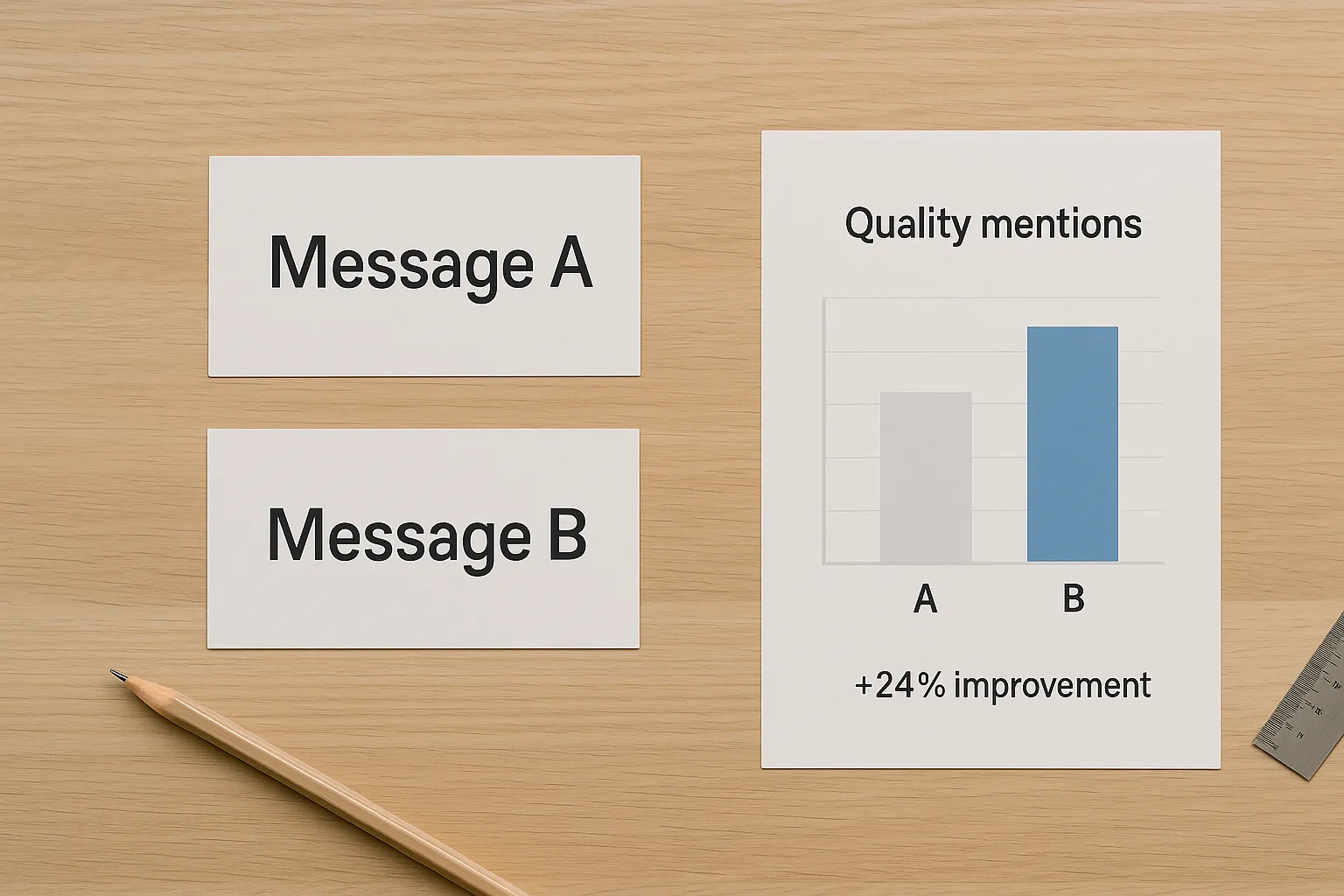
This process reveals why tactical communication is a sophisticated specialisation, not a support function. It requires the ability to operate simultaneously at multiple levels of abstraction, maintaining a strategic vision while optimising implementation details that may seem minor but determine the success or failure of entire initiatives.
Storytelling has long been an essential resource for persuading our audience. However, it is during periods of discursive struggle, like the one we are currently experiencing, that the credibility and trust our audience has in the sender of our message becomes particularly important.
The amount of information and competition is such that it is very easy to identify a gap between “saying” and “doing”, causing institutions that do not set an example in their discourse to lose credibility and social support. It is the difference between storytelling and storydoing.
In the case of culture, if used well, it can create real and lasting connections that awaken emotions, open horizons and enable joint creation. Some examples:
Culture is not always open and inclusive. There are groups that, for socio-economic, geographical or other reasons, cannot access certain cultural events. This article is not intended to trivialise the issue, but in my experience with communication campaigns in different contexts, culture moves consciences where logos and slogans cannot reach.
In the Western Balkans, narratives fragmented by nationalism and ethnic boundaries limited intercultural dialogue. The Some Call Us Balkans (SCUB) project perfectly demonstrates the difference between talking about reconciliation and creating spaces where reconciliation can happen.
The challenge: Overcoming decades of divisive narratives that kept communities apart.
The tactical response: Instead of creating campaigns about Balkan unity (storytelling), SCUB created real meeting spaces that transcend the boundaries of nationalism (storydoing).
Transnational community building: A growing network of socially engaged organisations, artists, activists, researchers and cultural professionals was created.
Intercultural dialogue: The project succeeded in improving dialogue between artists, cultural operators and the general public in the region.
Sustainable impact: The established network continued to generate transnational collaborations beyond the formal funding period.
This approach connects with what Mafalda Dâmaso describes in “The European Union as a Global Cultural Power “: culture is not only heritage, but an active tool for building shared values.
Let us consider a fundamental difference: a communication strategy focused on the cultural sphere may set as its objective “to increase the engagement of young audiences with artistic heritage“. It is a clear, measurable, and strategically sound objective.
But between that goal and its realisation lies a chasm that only tactical excellence can bridge. How does “increasing engagement” translate into concrete actions that work in the specific ecosystem where these young audiences operate?
The Prado Museum faced this challenge with excellent results. Instead of simply posting images of works with educational descriptions (the obvious but ineffective approach), they developed a visual and narrative language that worked within TikTok’s cultural expectations. They used viral trends and employed formats that worked in seconds-long videos.
The result: millions of views and measurable evidence that the content generated genuine interest in physical visits among demographics that traditionally did not connect with museums.
The case of the Musée du Louvre perfectly illustrates how tactical excellence transforms strategic objectives into exceptional measurable results. The institution had a clear strategic objective: to modernise the visitor experience and expand access to its collections through digital innovation. It was a solid but generic strategy (the kind of objective that dozens of major museums around the world might have).
The difference lay in the tactical translation. Rather than simply “going digital,” the Louvre team identified specific behaviours they wanted to generate visitors better prepared for their physical experience, global audiences connecting with the collections without travelling to Paris, and young people seeing classical art as relevant to their digital lives.
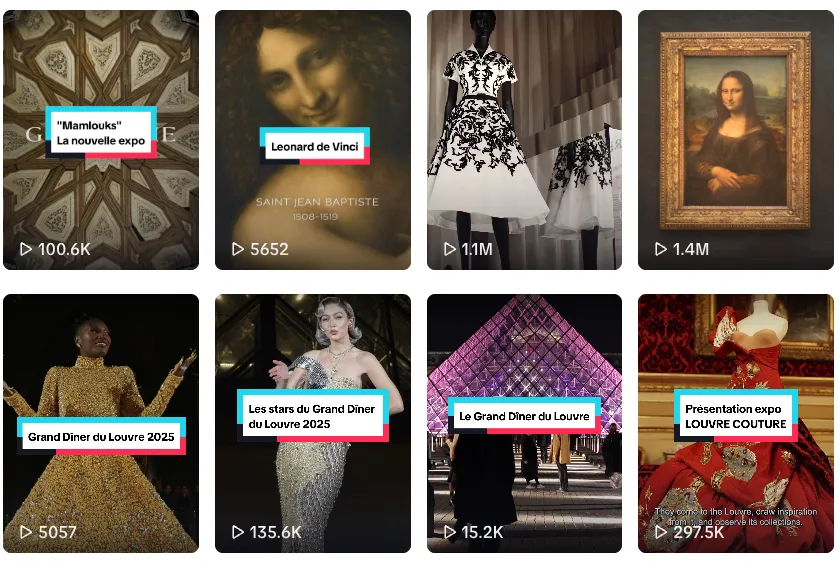
The tactical implementation was where the strategy materialised into real impact. They developed a website with 3,000 pages of free content. The brilliance was not in the quantity but in the execution: high-definition reproductions allow visitors to examine details impossible to see during physical visits, virtual tours prepare for real visits, and conversational functionalities based on artificial intelligence help plan personalised experiences.
The results demonstrate the power of tactical excellence: 15 million unique annual visits to the website, with 95% of physical visitors having first interacted with digital content, and two-thirds of web users eventually visiting the museum in person. Crucially, digitisation did not cannibalise physical visits but instead enhanced them, turning the website into a funnel that directed global audiences towards real cultural experiences.
The cases of SCUB and the Louvre demonstrate something fundamental: tactical excellence is not a coincidence. It is the result of specific competencies and structured methodologies that can be systematised.
In the second part of this analysis, we’ll take it further: we’ll see how culture facilitates agreements in contexts where prior trust doesn’t exist. Also, I’ll share the practical framework I use to reduce blockages in multilateral negotiations and accelerate legitimate consensus.
A decision may be well-founded yet still come across as poorly explained. This happens in a call for proposals where many organisations are left out.
A campaign can carry a responsible message while being distributed through an experience that pressures people. Trust is also designed.
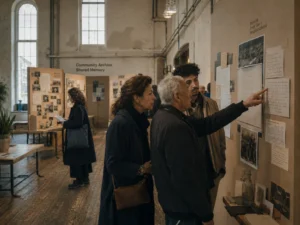
Cultural practices can support civic repair by creating recognition, shared presence and institutional learning without reducing culture to propaganda.