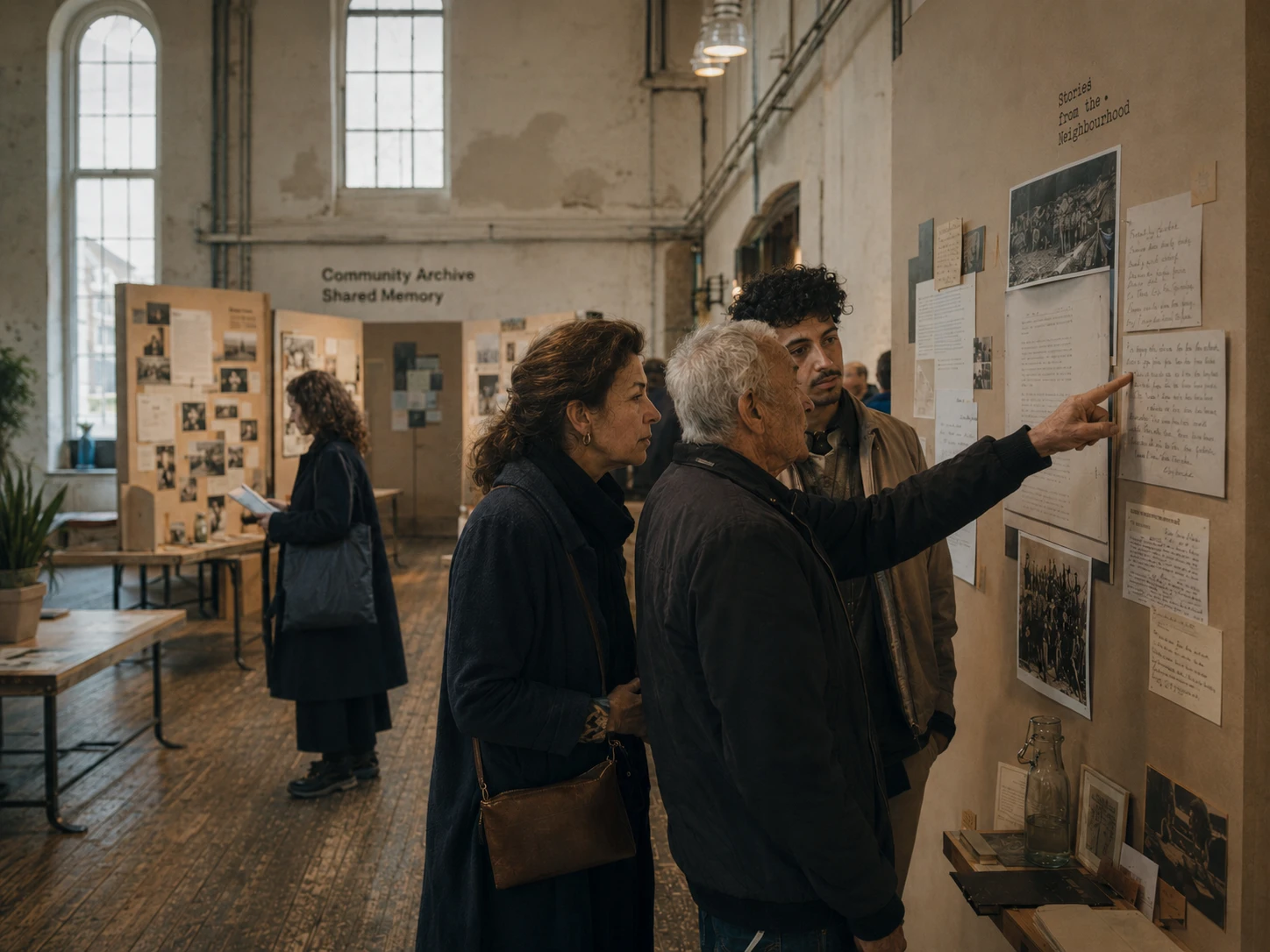
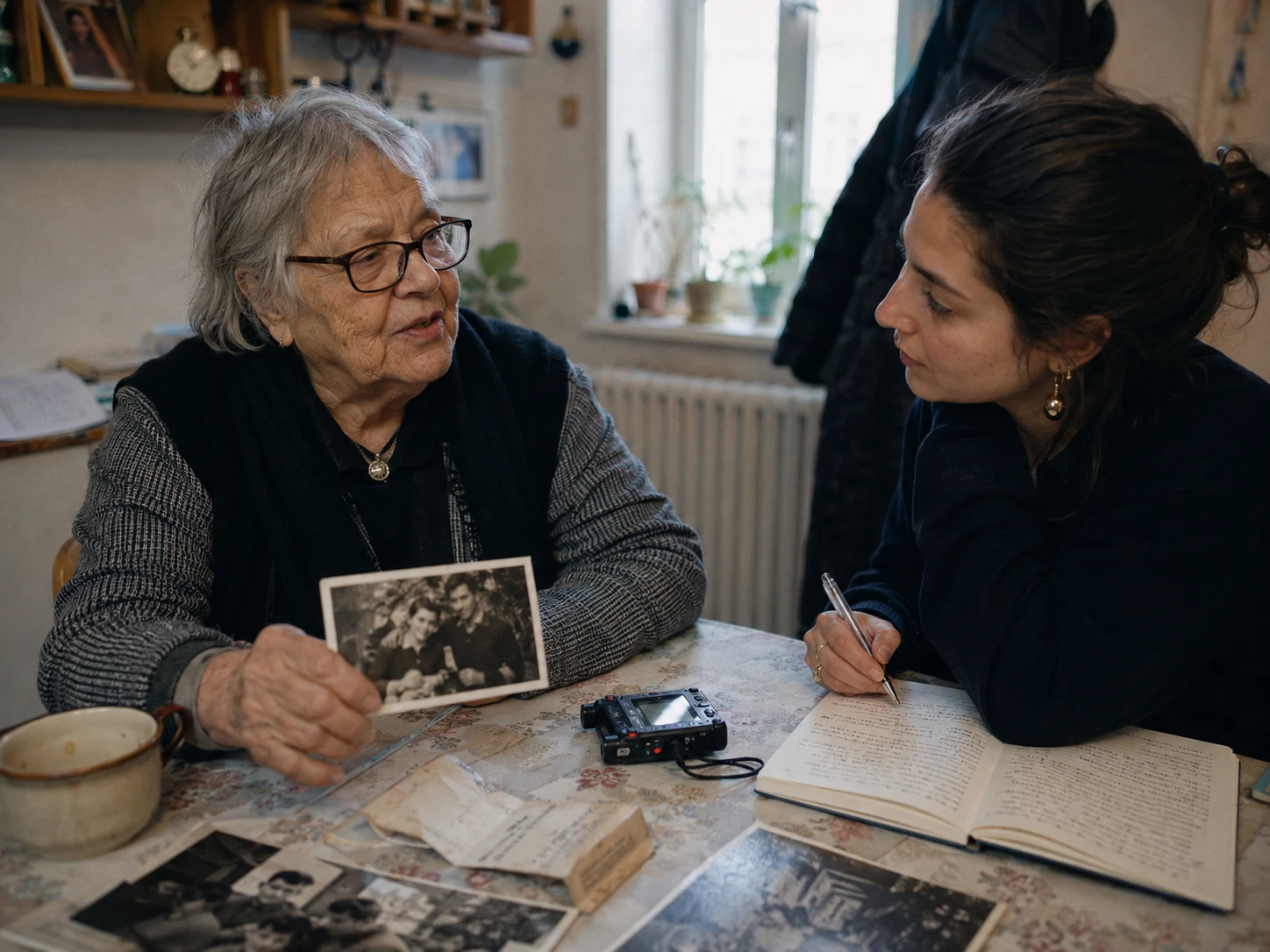
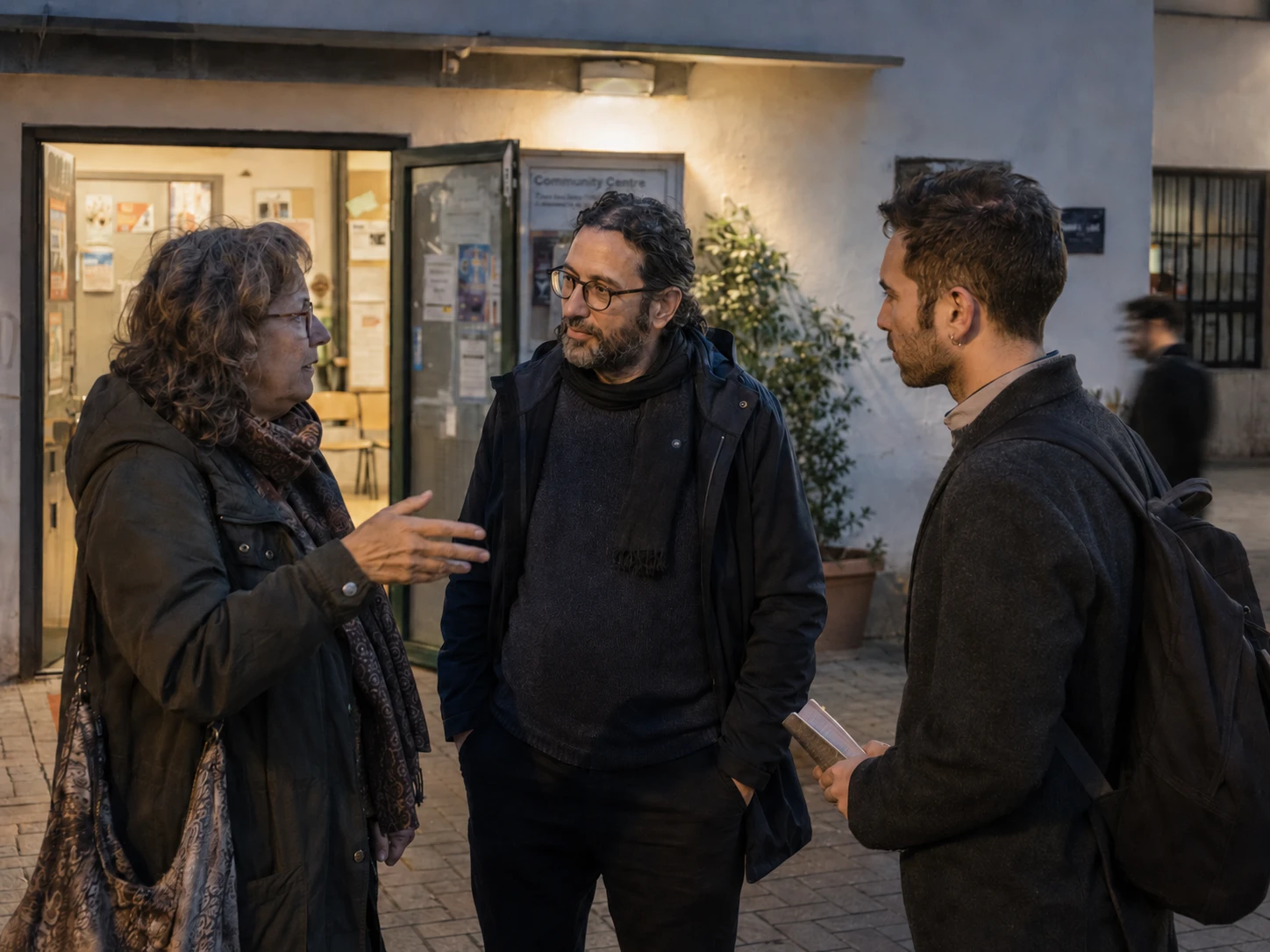
The third is to be mindful of who speaks and who facilitates. A cultural initiative can fail if it invites the right people at the very end, when everything has already been decided. Participation begins at the design stage, not in the final photo.
The fourth is not to turn pain into institutional aesthetics. This is a delicate point. Some projects turn difficult experiences into highly attractive visual pieces but leave communities in an almost decorative role. If an initiative deals with memory, inequality, violence or exclusion, it needs more care than glamour.
The fifth is to leave room for ambiguity. A cultural practice does not have to end with a single message. Sometimes, its value lies in allowing questions to emerge that previously had no place.
The European Economic and Social Committee has highlighted the link between cultural participation and civic engagement, social cohesion and democracy, whilst also stressing the importance of avoiding top-down measures. This warning is very useful: culture can strengthen bonds, but it loses legitimacy when it becomes an instrument of institutional validation.
How to connect culture with institutional learning
A cultural initiative gains value when it does not end once the lights go out, the exhibition is dismantled or the summary is posted on social media.
If it has opened an important conversation, the institution has a responsibility: to learn from what has emerged.
This is one of the most strategic and least visible aspects. Many cultural initiatives are evaluated based on attendance, media coverage, satisfaction or digital impact. All of that can be useful. But if we are talking about repairing the common space, there are deeper questions.
What did we hear that we didn’t know?
Which tensions emerged most strongly?
Which audiences did not feel included?
What institutional language created distance?
Which narratives coexisted without intersecting?
What decision should be changed following this initiative?
This is where culture connects with institutional learning. It ceases to be an event and becomes a way of better understanding the relationship between an institution and its audiences.
The Council of Europe, through its Indicator Framework on Culture and Democracy, links cultural participation to dimensions such as democratic openness, trust in society, well-being and inclusion. This kind of framework helps us take culture more seriously as a form of participation, relationship, and collective learning within democratic life.
For an institution, this raises an uncomfortable but necessary question: do we want culture to confirm our narrative, or to help us listen better?
The first option is more comfortable. The second is more useful.
Questions to consider before designing a cultural initiative for reconciliation
Before launching a cultural initiative linked to coexistence, trust or public dialogue, it is worth pausing to consider a few questions.
What divide do we wish to acknowledge?
There is no need to frame it dramatically, but it must be addressed honestly. If the problem is mistrust, wounded memory, polarisation, institutional distance or exclusion, the design should start from there.
Who needs to be involved from the outset?
It is not enough to invite a community once the project is already finalised. Those affected should be able to influence the approach, language, format and timing.
What should we not exploit?
Some experiences cannot be turned into campaign material. There are memories, pains or identities that require consent, context and care.
What can culture say that a press release cannot?
This question helps to avoid tokenistic projects. If the answer is “nothing different”, perhaps a cultural initiative isn’t needed. What’s needed is more honest communication.
What will the institution learn afterwards?
Without learning, the project risks remaining a mere gesture. Culture opens a door, but someone has to decide what to do with what appears on the other side.
Conclusion: culture does not replace politics, but it can create space
Culture does not replace public policy, resources, rights or difficult decisions. Nor does it, on its own, heal a social divide.
But it can do something many institutions urgently need: open up spaces where conversation can resume.
Mistrust, polarisation and public fatigue cannot be remedied with more messages. Sometimes we need to create experiences where people can recognise one another, share a space and view a tension from a less defensive position.
That work requires care. It also requires giving up the use of culture as a showcase.
Culture can repair the common space when it ceases to be used as a cover-up for conflict and begins to sustain something more difficult: recognition, emotional complexity, shared presence and institutional learning.
If you work in public communication, community engagement or cultural projects with communities, I’d love to hear from you on LinkedIn: where do you see the greatest risk today – in instrumentalising culture, in designing without listening, or in calling for dialogue too soon?
I look forward to reading your thoughts.
Questions on culture, civic repair and public dialogue
What does it mean to use culture to repair the public sphere?
It means designing cultural practices that help to acknowledge experiences, open conversation and rebuild basic conditions of trust. It is not about using culture as institutional decoration, but about creating spaces where a community can look at itself again, listen to one another and share a presence.
Can culture resolve social conflicts?
Culture can help to open dialogue, but it is no substitute for public policy, rights, resources or mediation processes. Its value lies in creating the conditions for a difficult conversation to begin or be sustained more effectively.
How can we prevent a cultural initiative from appearing to be propaganda?
It all starts with the design. A cultural initiative requires prior listening, participation from the outset, trusted mediators, artistic freedom and care regarding the experiences being portrayed. If the institution has already concluded listening, culture becomes validation, not reparation.
What role does culture play in institutional trust?
Culture can help an institution to listen better, recognise tensions and create less defensive spaces for engagement. For this to happen, the initiative must foster institutional learning, not just visibility.
What is civic reparation?
Civic reparation is the process of rebuilding conditions for coexistence, recognition and dialogue in the public sphere. It does not involve erasing conflicts or fabricating quick consensus. It involves creating spaces where people can participate without feeling that their experience is left out of the public narrative.