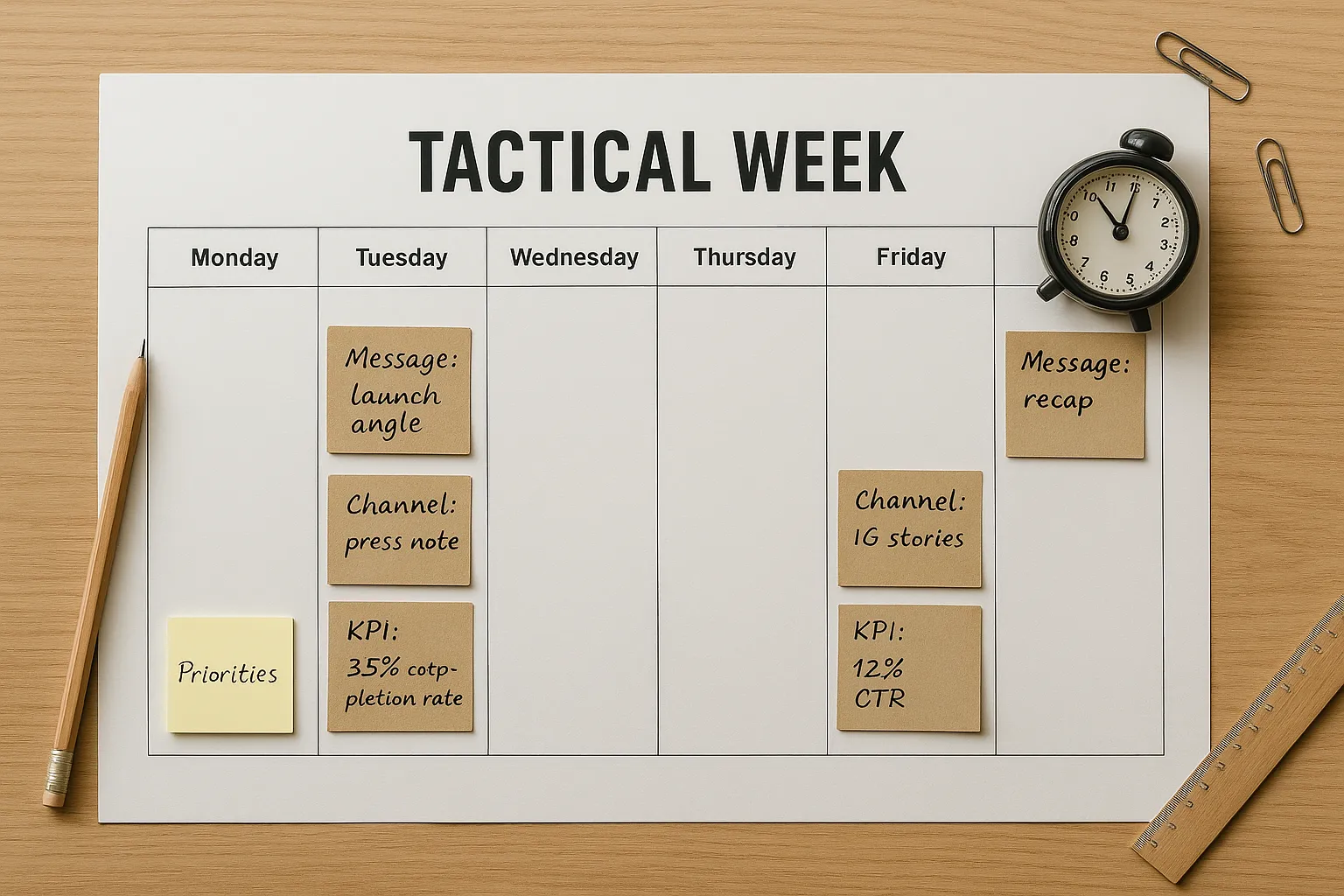
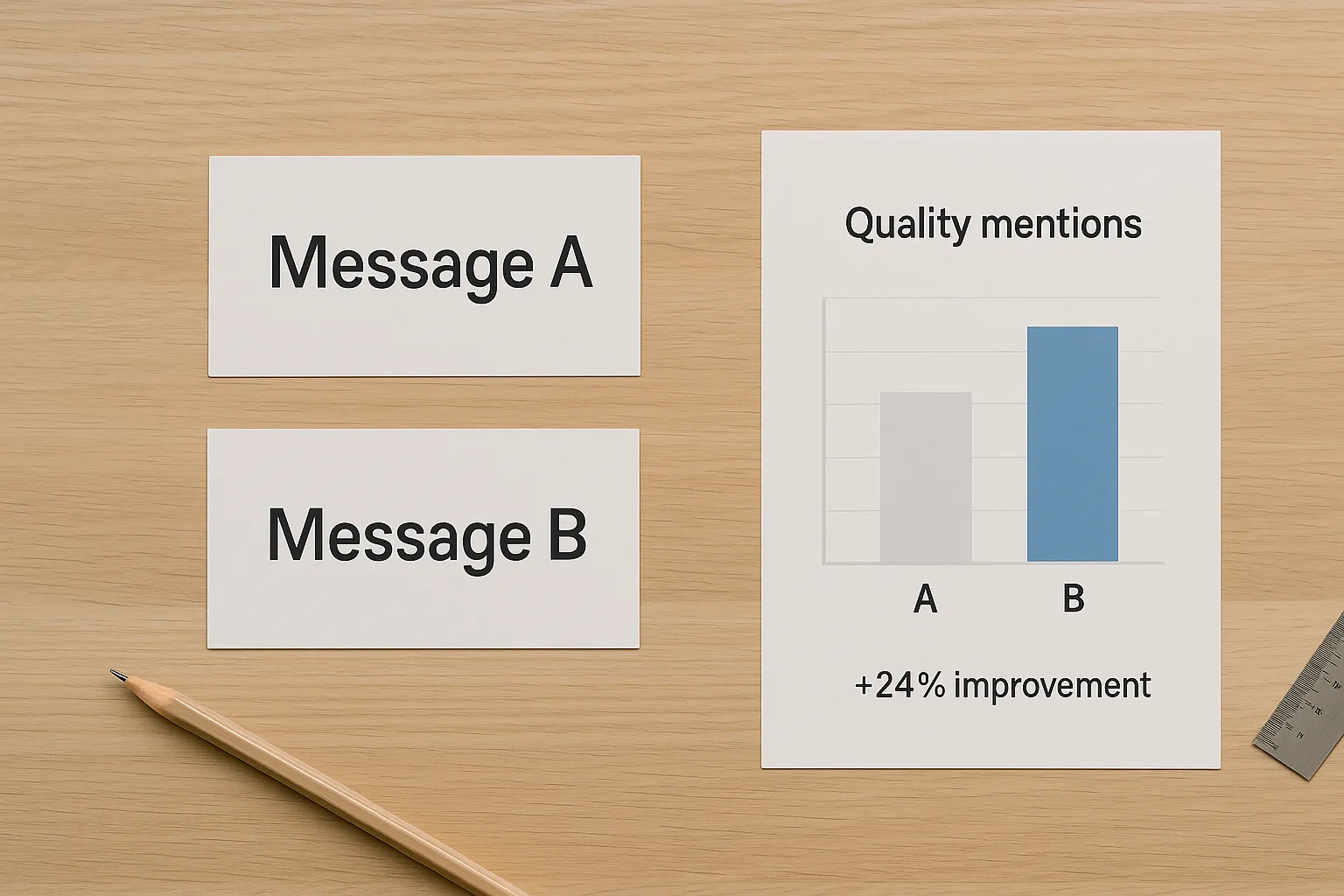
This process reveals why tactical communication is a sophisticated specialisation, not a support function. It requires the ability to operate simultaneously at multiple levels of abstraction, maintaining a strategic vision while optimising implementation details that may seem minor but determine the success or failure of entire initiatives.
Why is it essential to incorporate culture into our activities?
Storytelling has long been an essential resource for persuading our audience. However, it is during periods of discursive struggle, like the one we are currently experiencing, that the credibility and trust our audience has in the sender of our message becomes particularly important.
The amount of information and competition is such that it is very easy to identify a gap between “saying” and “doing”, causing institutions that do not set an example in their discourse to lose credibility and social support. It is the difference between storytelling and storydoing.
In the case of culture, if used well, it can create real and lasting connections that awaken emotions, open horizons and enable joint creation. Some examples:
- Exhibitions and cultural events such as plays or concerts can open us up to other ways of understanding the world, breaking down stereotypes and encouraging mutual discovery.
- Exchanges and training sessions for artists between countries or disciplines broaden horizons and create synergies between fundamental cultural and social values.
- Creative competitions for schools or photography, literature or drawing contests encourage the so-called “IKEA effect”: we value more what we have participated in creating, even when the result is imperfect.
- Artists with social impact who use their fame and reputation to promote dialogue and values through their work or public appearances.
Culture is not always open and inclusive. There are groups that, for socio-economic, geographical or other reasons, cannot access certain cultural events. This article is not intended to trivialise the issue, but in my experience with communication campaigns in different contexts, culture moves consciences where logos and slogans cannot reach.
Real-life case study: Some Call Us Balkans: meeting spaces that transcend borders
In the Western Balkans, narratives fragmented by nationalism and ethnic boundaries limited intercultural dialogue. The Some Call Us Balkans (SCUB) project perfectly demonstrates the difference between talking about reconciliation and creating spaces where reconciliation can happen.
The challenge: Overcoming decades of divisive narratives that kept communities apart.
The tactical response: Instead of creating campaigns about Balkan unity (storytelling), SCUB created real meeting spaces that transcend the boundaries of nationalism (storydoing).
The tactical communicator’s methodology
- Transnational interdisciplinary consortium
- Network of artists and activists from different parts of Europe
- Itinerant collective that creates physical and digital meeting spaces
- Collaboration between local organisations and European cultural entities
- Mobile forum as a platform for dialogue
- Travelling physical platform for questioning, discussing and imagining alternative narratives
- Methodology that challenges the limitations of national borders and ethnic separation
- Spaces for confrontation and collective imagination
- Participatory collection of counter-narratives
- Initial collection of contemporary myths and legends from the Balkans
- Focus on migration, gender equality, monuments, rurality, arts, right to the city and equity
- Open call for “travellers” to contribute local narratives
Measurable results
Transnational community building: A growing network of socially engaged organisations, artists, activists, researchers and cultural professionals was created.
Intercultural dialogue: The project succeeded in improving dialogue between artists, cultural operators and the general public in the region.
Sustainable impact: The established network continued to generate transnational collaborations beyond the formal funding period.
This approach connects with what Mafalda Dâmaso describes in “The European Union as a Global Cultural Power “: culture is not only heritage, but an active tool for building shared values.
When promoting culture is an end in itself.
Let us consider a fundamental difference: a communication strategy focused on the cultural sphere may set as its objective “to increase the engagement of young audiences with artistic heritage“. It is a clear, measurable, and strategically sound objective.
But between that goal and its realisation lies a chasm that only tactical excellence can bridge. How does “increasing engagement” translate into concrete actions that work in the specific ecosystem where these young audiences operate?
The Prado Museum faced this challenge with excellent results. Instead of simply posting images of works with educational descriptions (the obvious but ineffective approach), they developed a visual and narrative language that worked within TikTok’s cultural expectations. They used viral trends and employed formats that worked in seconds-long videos.
The result: millions of views and measurable evidence that the content generated genuine interest in physical visits among demographics that traditionally did not connect with museums.
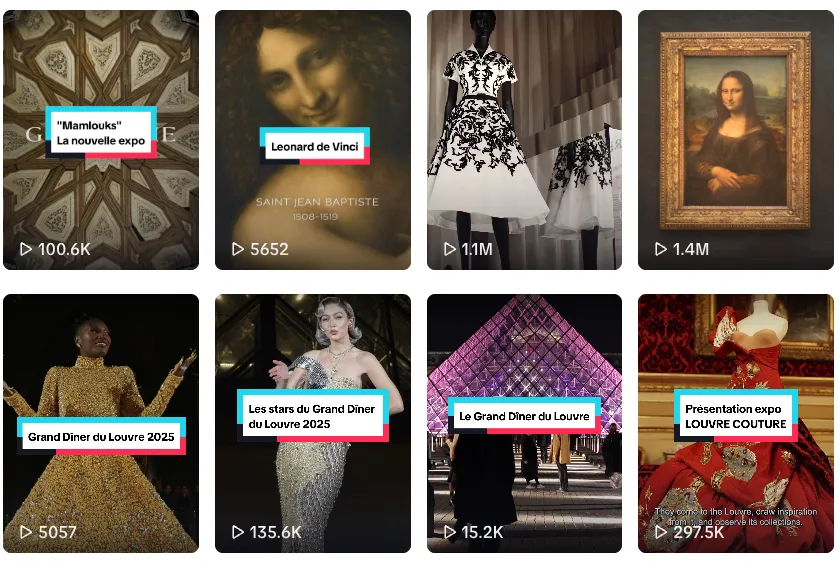
Real-life case study: The Louvre: From ‘digitisation’ to 15 million annual web visits
The case of the Musée du Louvre perfectly illustrates how tactical excellence transforms strategic objectives into exceptional measurable results. The institution had a clear strategic objective: to modernise the visitor experience and expand access to its collections through digital innovation. It was a solid but generic strategy (the kind of objective that dozens of major museums around the world might have).
The difference lay in the tactical translation. Rather than simply “going digital,” the Louvre team identified specific behaviours they wanted to generate visitors better prepared for their physical experience, global audiences connecting with the collections without travelling to Paris, and young people seeing classical art as relevant to their digital lives.