Culture for civic repair: how to reopen public dialogue
Cultural practices can support civic repair by creating recognition, shared presence and institutional learning without reducing culture to propaganda.
Some months ago, I worked on a blog about the importance of Active Listening (you can read it here). Some people contacted me on the networks to contribute to that article, and that is why today, I have decided to do a second part.
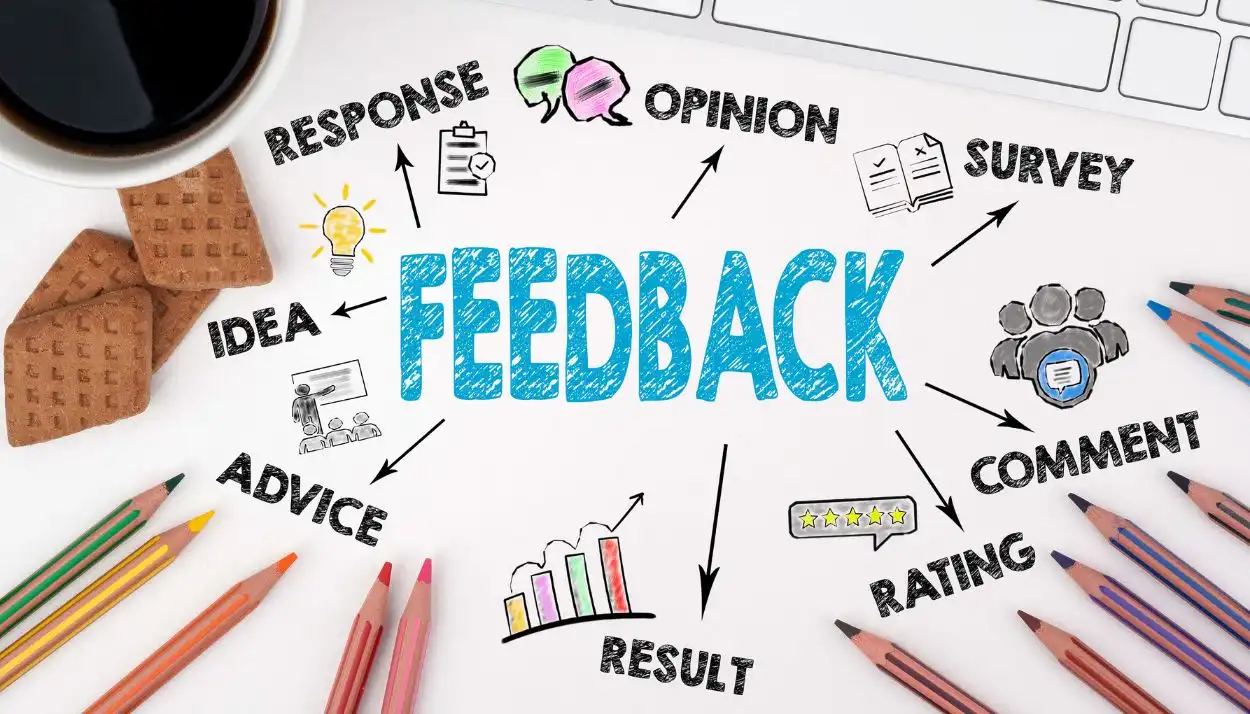
Today, I will focus on an element that, complementing active listening, ensures truly effective communication: feedback.
I will discuss how to analyse, apply and communicate the information obtained through some techniques and software so that the feedback can help you change ordinary interactions into dynamic relationships with your audience.
Feedback is a unique tool for the growth and effectiveness of organisations and institutions. Understanding and acting on feedback allows them to be more adaptive, relevant and effective. Throughout my career, I have observed how teams that prioritise listening to and analysing feedback are noticeably more effective in their communication, choosing channels and messages that align with their targets’ emerging trends and needs.
Analysing feedback is fundamental to understanding and respecting your audience’s generational and cultural diversity. This process involves segmenting and drilling down on the information received to identify patterns that will guide the adaptation of your communication strategies. In doing so, you acknowledge the value of your audience’s feedback and improve your ability to respond effectively to their needs and future challenges.
Once analysed, effective feedback application is crucial to developing new communication. You will need to adapt content and strategies to reflect emerging needs and preferences, from iterating messages to adjusting distribution channels and developing new ways to overcome cultural and technical barriers for better inclusion.
Ongoing dialogue and continuous improvement are vital to maintaining organisational relevance and effectiveness. Taking a proactive approach to soliciting and using feedback strengthens your organisation’s resilience, fostering an environment that values and acts on the perceptions of its audience.
Implementing a constant feedback and evaluation cycle allows you to keep your communication strategies dynamic and aligned with the needs of your audience. This process includes:
In these first two sections, I wanted to lay the groundwork for understanding how feedback strengthens active listening. Are you ready to see how we can apply all these concepts through digital tools and techniques? Let’s continue!
A leading method in this field is Jack Zenger and Joe Folkman‘s FUEL, designed to structure effective coaching and feedback conversations. This method follows four steps: Frame the conversation, Understand the current state, Explore the desired state, and Lay out a success plan.
Zenger and Folkman are renowned for their practical and empirical approach to leadership and personal development. Their paper, ‘ Feedback: The Powerful Paradox, ‘ offers valuable and accessible insights into how to make feedback a helpful gift and improve feedback practices. You can download this free resource from their website to explore how to ensure the most significant benefit for both the sender and receiver of feedback.
In addition to methods such as FUEL, using digital tools to gather valuable information through surveys is crucial.
Technology plays a crucial role in modernising feedback processes, and software can significantly deepen and improve the analysis and application of the results obtained.
For me, SurveyMonkey is one of the most popular options, as it offers useful features for creating surveys and analysing this data. Here are five things that make this software a must-have for feedback:
The choice between SurveyMonkey or other survey software depends on your specific needs. If you are looking for a simple and free solution for primary surveys, Google Forms might be sufficient (although I would like to remind you that the data received is stored in the USA, and they do not have the same GDPR law as the EU). However, SurveyMonkey would be the recommended option if you need more complex and detailed surveys with advanced analytical capabilities.
Implementing advanced analytics techniques is also advisable. Salesforce’s Tableau or Microsoft Power BI facilitate the visualisation of complex data, enabling better feedback interpretation through effective centralised data management.
These systems not only identify trends and patterns but, when integrated with CRM, allow for efficient information management. However, using these digital tools must be complemented by adequate training and an approach that preserves the human element in the interpretation of data, ensuring that technology is supported and does not supplant empathy and critical judgment in decision-making.
The process of active listening and feedback is a continuous journey of learning and adaptation. It is fundamental to transforming previously forgotten interactions into dynamic and meaningful relationships with your audience.
I invite you to connect with me on LinkedIn to discuss and deepen these strategies further.

Cultural practices can support civic repair by creating recognition, shared presence and institutional learning without reducing culture to propaganda.

Media literacy should not sound like a lecture. Its value lies in helping people read, question, verify and participate more thoughtfully. Spotting a hoax is the starting point, not the destination.

Diverse voices in a multi-stakeholder programme are not the problem. The problem is the absence of an architecture that organises them without silencing them. How to design narrative coherence when multiple actors, logics and audiences must communicate the same programme without fragmenting or becoming uniform.