Expert
Culture as democratic infrastructure: what can contribute to public trust
Culture can leave more than visibility behind. When it provides access, continuity and decision-making power, it creates valuable conditions for democratic life.


Much has been said about public diplomacy, yet doubts remain about its principles, objectives and methods. In this article, I will combine theories from some of the most influential scholars in the field (such as Nicholas J. Cull’s “Public Diplomacy: Foundations for Global Engagement in the Digital Age”, Ilan Manor and his research in “The Digitalization of Public Diplomacy”, and the perspectives in “The Oxford Handbook of Modern Diplomacy”), with practical examples of how these principles are applied in public bodies.
But before I begin, I would like to outline some of the most repeated and accepted concepts for defining public diplomacy, as shown by these institutions:
One of my favourite ways of approaching the issue straightforwardly is the process by which traditional diplomacy, in which negotiation processes are often invisible, becomes part of an open and reciprocal interaction with citizens, reminiscent of the way public affairs were discussed in the agora, the heart of political life in ancient Greece.
In any case, by the end of the blog, we will see confirmed the consensus that currently exists on these two main ideas:
As mentioned above, this article complements and analyses some essential concepts developed by academics and experts. Furthermore, to exemplify and facilitate understanding in a didactic way, I propose to develop these critical tips to apply the principles of public diplomacy to a fictitious campaign designed to promote human rights, focusing on providing a positive vision of immigration and the benefits of its social and economic integration.
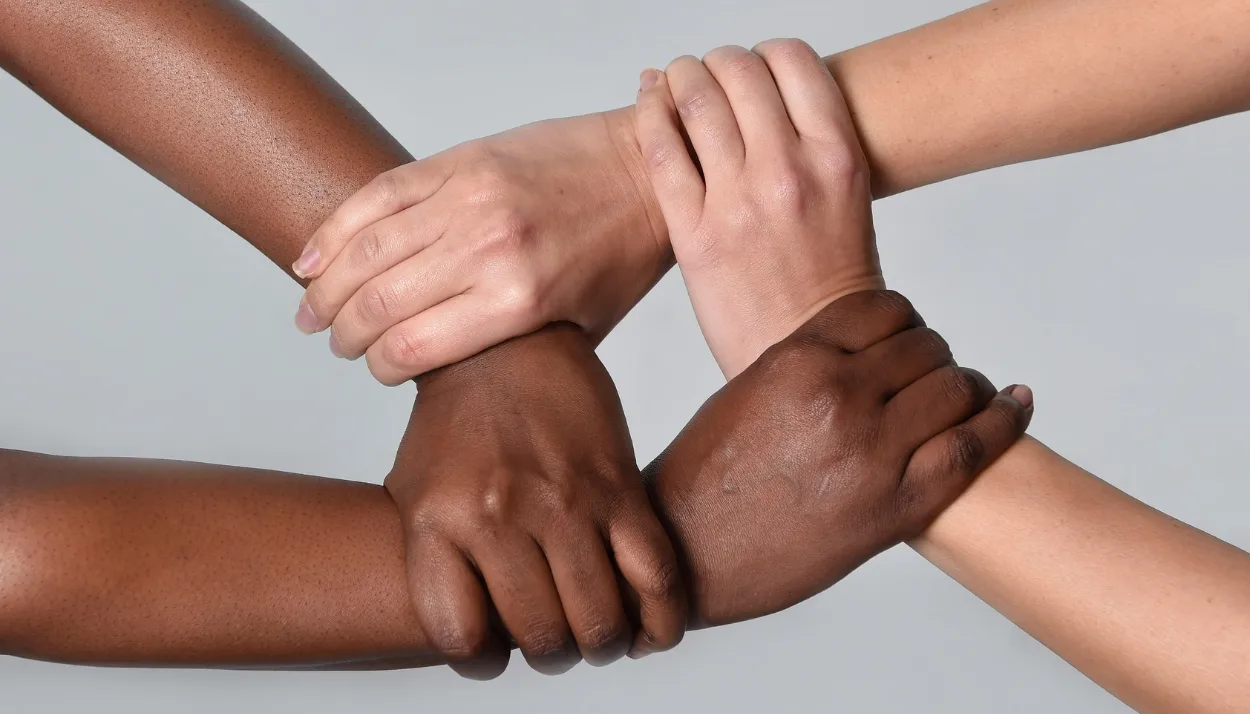
This campaign will be structured along SMART (Specific, Measurable, Achievable, Relevant and Time-bound) criteria, specifically designed to promote a more positive image of immigration, with the specific objective of raising the favourable perception from 9% to 25% in the population of country X within three years (Specific). To ensure this objective is measurable (Measurable), we will conduct annual surveys to monitor the evolution of public opinion and adjust intervention strategies as necessary. Planned activities, such as educational workshops, communication campaigns and collaborations with local opinion leaders, are designed to be achievable within the timeframe and resources available (Achievable), ensuring that each step contributes effectively towards improving immigrants’ social and economic integration (Relevant). The action plan sets out specific timeframes (Time-bound), with activities spread out every quarter and regular reviews to maintain momentum and ensure that efforts are adequate and timely.
Although this scenario is entirely fictional, it is based on authentic professional experiences and real case studies. Thus, it provides a robust framework that underlines the importance of informed public diplomacy strategies to promote international understanding and cooperation.
To foster genuine and effective communication with the country’s general public, it is crucial to use familiar concepts, redefine them and redirect narratives towards practical examples that resonate with this sector. By reorienting these narratives, we provide tools that enable citizens to rethink and adopt new perspectives on their initiative. This empowerment is not a random process; we avoid launching one-sided, predefined messages and instead seek to actively engage our audience to facilitate an open and equitable exchange.
On a practical level, this empowerment process is manifested in the campaign through interactive workshops and collaborative platforms, where representatives from various economic and social sectors can discuss and learn about the real benefits of successful social and economic integration of migrants. This approach enriches the campaign’s content and strengthens its authenticity and relevance.
Active listening is essential to deepening our understanding of the country’s economic and social sector’s concerns and expectations regarding immigration. This process allows us to tailor our communications and policies more effectively, directly addressing any perceptions that may exist about immigrant integration.
Practically, we apply this approach in our campaign by conducting surveys and forums with key economic sectors and social representatives. These forums are designed to capture the views and perceived challenges related to immigration, facilitating a dialogue that seeks to gather information and foster mutual understanding and support. The data and perspectives gathered from these interactions will inform our communication strategies and reformulate public policies, ensuring they align with the real needs and perceived benefits of immigrant integration in society.
Coherence between domestic policy and public diplomacy communication is fundamental to ensure the credibility and effectiveness of government initiatives. This principle becomes critical in issues of immigrant integration, where discrepancies between public discourse and policy actions can seriously undermine trust and support locally and internationally.
In a hypothetical scenario, consider a country that domestically adopts protectionist policies and promotes the construction of physical barriers. At the same time, at the international level, it claims to lead efforts for the social inclusion of immigrants. This contradiction between restrictive domestic immigration policies and a public diplomacy campaign promoting inclusion can lead to mistrust and questions about the sincerity of the country’s commitment to human rights and international cooperation. The lack of alignment affects the country’s image and reduces the effectiveness of its public diplomacy initiatives, demonstrating the vital importance of a coherent and unified strategy.
Public diplomacy should strengthen mutual understanding and respect at the international level, distinct from domestic propaganda strategies that seek to influence public opinion for electioneering or propaganda purposes. This principle highlights the importance of prioritising the long-term benefits of international cooperation over short-term political interests at home.
In our fictional campaign, let us imagine a country that uses public diplomacy not as a vehicle for domestic political advocacy but as a means to collaborate with international organisations and other states to develop effective policies for immigrant integration. These partnerships, based on transparency and shared goals, should project the country’s genuine commitment to improving the living conditions of immigrants and fostering harmonious coexistence. This approach helps consolidate the country’s international reputation as an actor committed to human rights and global cooperation, reinforcing shared worldwide stability and prosperity.
Maintaining credibility is essential in any public diplomacy campaign, especially when dealing with issues as complex and emotional as immigration. For audiences, particularly in the economic and social sectors, to trust the information presented, it is crucial that verifiable data and concrete examples back up each claim.
As part of our campaign, we highlight case studies that illustrate immigrants’ contributions to economic growth and cultural enrichment. These examples not only highlight the tangible benefits of effective integration but also serve to debunk myths and change negative perceptions. The transparency with which this data is presented reinforces the campaign’s authenticity and strengthens trust in public diplomacy initiatives, demonstrating their real and tangible value in improving social and economic cohesion.
The credibility of a public diplomacy campaign depends significantly on the authenticity and resonance of the message sender. In our campaign designed to highlight the benefits of immigrant integration, it is essential to choose voices that are influential, relevant, and respected by the country’s economic and social sectors.
When selecting personalities to represent the campaign, we must consider more than mere recognition or popularity. The wrong choice, even if it is a celebrity or prominent public figure, can detract from the message or diminish the seriousness of the issue if they are not fully aligned with the values and reality of the message.
Rather than automatically opting for high-profile figures, the strategy should focus on finding those individuals whose history, career or activism genuinely resonates with the campaign issue. This could include social policy experts, respected academics, or community leaders who have shown a palpable and practical commitment to immigrant integration. These broadcasters bring credibility and ensure that the message is received with the seriousness and thoughtfulness it requires.
Our fictional campaign promotes an “Inclusive Agenda” that highlights the economic and cultural benefits of immigration. It shows how effective integration of migrants improves the local economy through innovation and entrepreneurship and enriches the cultural fabric. These messages are communicated through international events and partnerships, focusing on migration policies that promote global understanding and cooperation.
In addition, this strategy includes diasporas and other often marginalised groups in decision-making processes, ensuring that public diplomacy is genuinely representative of society’s diversity. Organising forums where these groups share their experiences enriches dialogue and strengthens the effectiveness of initiatives, underlining the commitment to international cooperation based on inclusion and mutual respect.

Public diplomacy continues to face significant challenges that affect its effectiveness on the global stage. Disinformation and fake news are damaging, undermining diplomatic efforts and eroding public trust. Often amplified by social media, these disinformation campaigns represent significant barriers that must be countered with transparent and fact-based communication strategies.
In July, I will attend UNICRI’s Summer School on Misinformation, Disinformation, and Hate Speech, reaffirming my commitment to combating these threats.
Political polarization, both domestically and internationally, is another critical obstacle. Growing division in many countries makes disseminating messages promoting unity and cooperation difficult. Therefore, it is crucial for communications teams to develop skills that enable them to give advice or encourage the creation of inclusive messages and narratives that respect a diverse audience.
Rapid technological evolution presents both challenges and opportunities for public diplomacy. Technological advances can significantly enhance diplomatic efforts by using data and analytics to refine strategies. However, to adapt effectively to these new tools, continuous training and agile responsiveness are required.
In addition to these emerging challenges, public diplomacy continues to face persistent issues that, while not new, remain crucial and must not be forgotten. These challenges include climate change, migration, global security, human rights, and public health. These areas require informed strategies and sustained international cooperation, which are essential for managing crises and fostering global stability.
The debate over the definition and methodology of public diplomacy is wide-ranging and profound. This article is not intended to be an exhaustive academic study on the subject but rather an attempt to clarify, in a didactic manner, some of the main theories contained in prestigious publications and examples of successful public diplomacy initiatives aimed at a global agenda.
I hope that this article will help dispel some of the misconceptions I have encountered throughout my career, such as the idea that public diplomacy is simply a type of lobbying between diplomats and officials or a new way of referring to traditional marketing and propaganda practices.
In the face of contemporary challenges such as disinformation, political polarisation and urgent climate needs, to mention a few examples, it is essential to review and reformulate some narratives and practices to promote a global agenda where cooperation is the foundation of international relations.
As a communication expert, I am here to help in this change, developing strategies that transcend visibility through posts and the publication of promotional materials. To continue to dig deeper and keep up with the latest trends and debates, I invite you to follow me on LinkedIn. Connect with me to follow my perspectives and experiences on communication and join a community committed to communication for inclusive and sustainable development.
Culture can leave more than visibility behind. When it provides access, continuity and decision-making power, it creates valuable conditions for democratic life.

Saying AI was used is not enough. This article explains when to disclose it, what a useful notice should include and how to document human review.

The EU AI Act for communications teams is about more than learning new tools. This guide explains the 2026 requirements and how to turn them into clear rules for use, review and transparency.