Guide to clear and effective communication
This guide provides 10 practical tips for clear and effective communication, helping you present your ideas persuasively.
Have you ever wondered why certain public policies resonate deeply in society, while others pass by without leaving much of a mark? From my experience as a communications strategist and expert, I have seen how popular culture can be a critical piece in creating more connected and relevant policies. Films, series, books, music and even video games can influence public debate in ways that often go unnoticed.
In this article, I want to share five key reasons why popular culture can be an invaluable resource when designing public policies that are not only effective, but also endure in the collective memory.
One of the most important aspects of popular culture is its ability to reflect the values, beliefs and concerns of a society at a given moment in its history. From television programmes to comic books, popular culture shows us what issues are important to people, what problems generate debate and how they feel about them. Understanding this cultural pulse allows policymakers to better align themselves with the demands and needs of the public.
In “Understanding Media”, Marshall McLuhan points out that the media are not only transmitters of information, but also implicitly represent and amplify social values. A clear example can be seen in how representations of mental health have evolved in the media: what was once a stigmatised topic is now treated more openly, contributing to more inclusive and better targeted public policies on the issue.
Popular culture, by giving visibility to certain social realities, offers policymakers an opportunity to connect more genuinely with the public, understanding their concerns and prioritising the issues that really matter to their citizens.
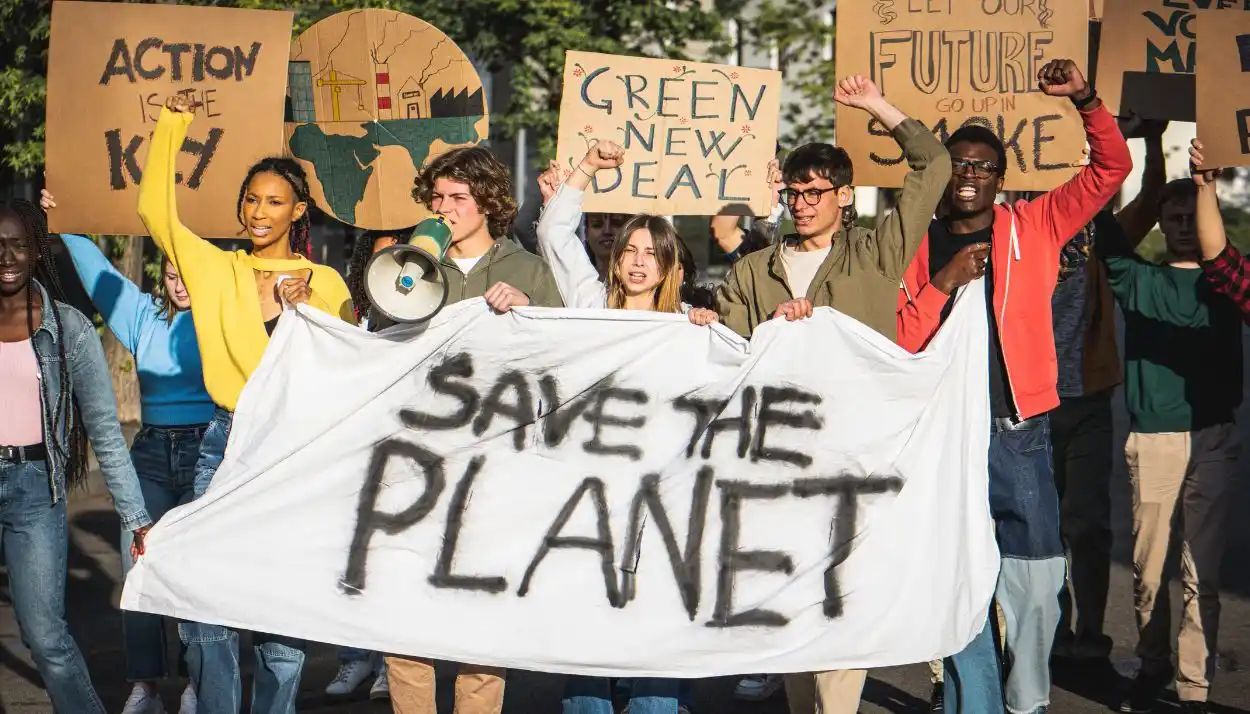
Beyond reflecting values, popular culture has the capacity to amplify social demands, bringing them to greater visibility and, often, accelerating their integration into the public debate. Social movements such as #MeToo or Fridays for Future were born largely thanks to cultural and digital platforms that amplified their messages. These movements succeeded in rallying millions of people around the world to a common cause, driving social change and adding pressure on legislators to adapt their policies to the new demands.
Joseph Nye, in his book “Soft Power”, explains how cultural content generates direct and indirect impacts on politics and the economy. In the case of #MeToo, it was precisely the visibility given to it by celebrities and the media that allowed problems such as sexual harassment to be addressed more urgently, prompting legal revisions in many countries.
The lesson here is clear: popular culture reflects and amplifies citizens’ voices, making it easier for their demands to reach policymakers. If policymakers ignore these cultural currents, they risk disconnecting themselves from emerging social needs.
The representation of certain issues and groups in popular culture plays a fundamental role in how these issues are perceived by the public and, ultimately, how they are addressed by the political sphere. The media not only inform, but also educate about what is and is not acceptable in society, as McLuhan pointed out.
I will take as an example the representation of racial minorities in film and television. For a long time, these representations reinforced negative stereotypes. However, lately, we have seen a shift towards more inclusive and nuanced representations, which has contributed to greater social awareness of racism and inequalities. This shift in public perception has directly influenced the formulation of public policies that promote racial equality.
The same is true for issues such as gender equality or LGBTQ+ rights. The visibility of these groups in the media and in popular culture has contributed to the promotion of policies that recognise and protect their rights. Representation matters, not only because it makes realities visible, but also because it influences how policies affecting these groups are created.
One of the great challenges in creating public policy is how to convey complicated issues in a way that the public can understand and support. This is where popular culture comes in. Through accessible narratives, such as films, documentaries or series, complex issues can be explained in a clear and engaging way.
For example, Al Gore’s documentary An Inconvenient Truth helped transform climate change from a distant, scientific issue into a global concern. Popular culture has the power to translate scientific or political debates into stories that resonate with the public, making it easier to understand the problems and the urgency of solutions.
The ability to simplify complex concepts and make them accessible should not be underestimated. Public policies can benefit enormously when they draw on popular culture to educate and raise awareness on issues of general interest, achieving a broader and deeper impact.

While popular culture is influential, alternative culture also has an important role to play, especially in its ability to point to social tensions that have not yet been addressed by public policy. Movements such as Black Lives Matter or Occupy Wall Street emerged from spaces of cultural resistance and have pointed to deep inequalities in society.
Steve Duncombe and Steve Lambert, in their book The Art of Activism, explain how alternative culture not only reflects frustrations, but also acts as a laboratory where new ideas and solutions are experimented with. Public policies that are attentive to these emerging social tensions can anticipate crises and offer more tailored responses to citizens’ demands before they escalate.
A recent example is the rise of discussions of social justice and police reform in the United States and other countries. Movements born in the alternative culture were the first to highlight these tensions, and eventually succeeded in getting legislators to take concrete steps to address these issues.
Popular culture, in all its forms, acts as a mirror of society. It not only reflects people’s concerns and desires, but also amplifies those voices and facilitates dialogue between citizens and governments. By integrating popular and alternative culture into the public policymaking process, policymakers can design solutions that are closer to social realities, more understandable and ultimately more effective.
To ignore popular culture is to disconnect from the people. For public policies to resonate, adapt and persist in society, they must align with the values and narratives that are already present in popular culture.
If you want to continue the conversation about the importance of culture in policymaking, or share new perspectives, feel free to contact me on my LinkedIn – I’d be happy to continue the conversation!

This guide provides 10 practical tips for clear and effective communication, helping you present your ideas persuasively.

Dive into the essentials of communication that spans ages and digital skills, discovering how to forge connections between generations in the digital era.

Tackle the challenge of the digital divide in communication with strategies that go beyond social media. Find out how to achieve genuine and effective connectivity in a digitally transformed world.