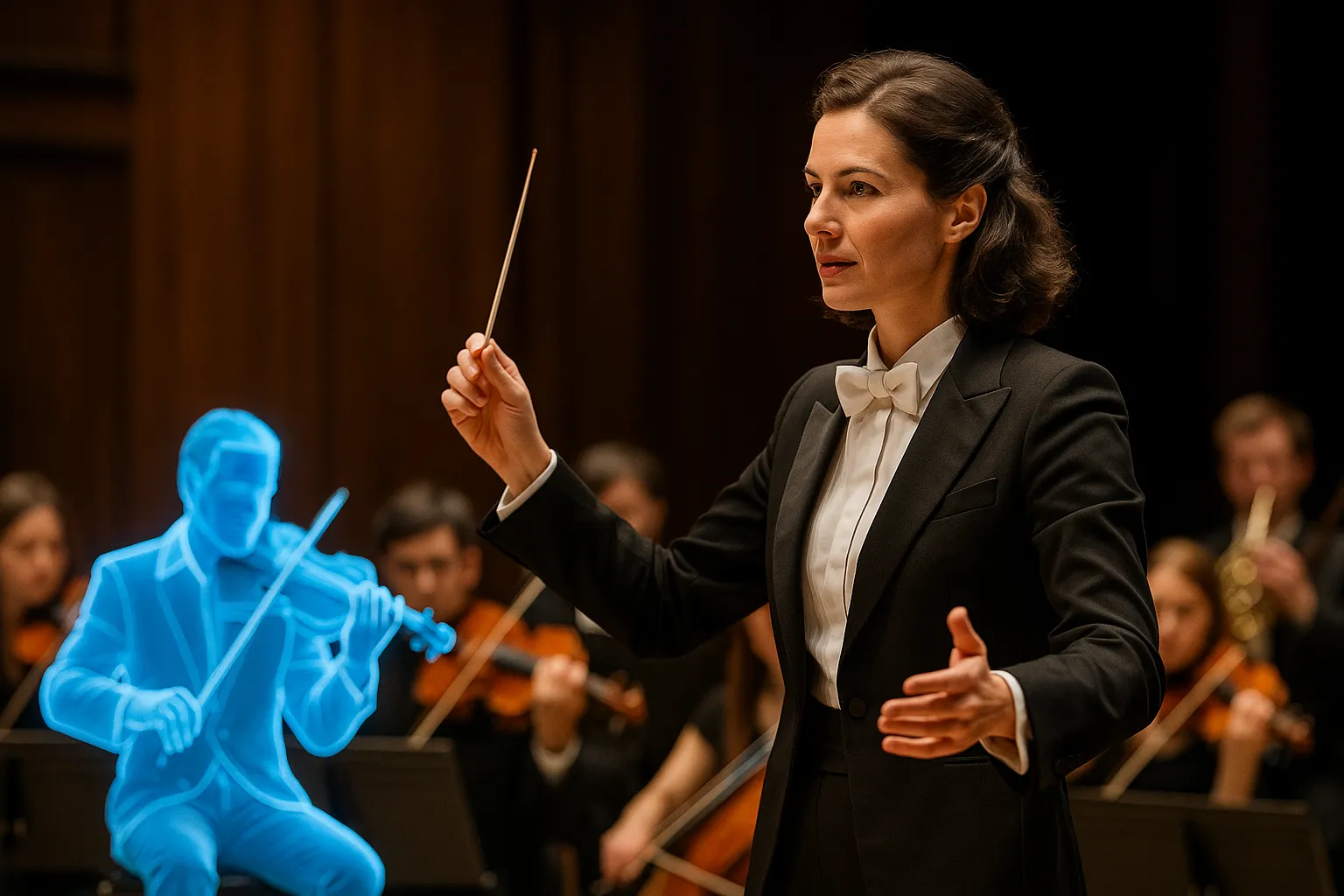
The question “How are you using Artificial Intelligence (AI) in your work?” has been a part of almost every professional conversation I’ve had in recent months. Like a magic wand that instantly makes everything we touch better. But I’ve concluded that we’re asking the wrong question after seeing how various organisations handle the use of this technology.
We should ask why we actually need AI rather than how to use it. This is because the difference between these two questions shows the difference between carefully adopting new technology and just going with the flow.
We have a duty to use this technology wisely as communication professionals, particularly those of us who collaborate with organisations that aim to make a genuine social impact, such as through cultural diplomacy. Not because we should embrace it blindly or reject it on principle, but because we should see how it can enhance our abilities without taking the place of the most important component of our work: human judgment.
The unrealized promise of automated responses
A common belief about AI is that it will help us get answers faster and more accurately. Chatbots that respond to queries, algorithms that segment audiences, systems that generate optimised content for each platform. It all sounds efficient and promising.
But this method is predicated on a flawed assumption: that our primary problem is to obtain answers, when, in fact, we need to ask better questions.
The questions we ask in communication strategies determine how well we do our work. Are we communicating to inform or to generate action? Does our audience need more data or more context to be able to interpret it? Does the message we consider “clear” really resonate with the experiences of those we want to reach?
These questions require an understanding of cultural, social and political contexts that none of today’s large language models – such as ChatGPT, Claude or Grok – can fully grasp. For example, they need to know how to deal with complicated human relationships when working with diverse groups or handling touchy issues like countering false information or building trust.
AI can help us process information more quickly, identify patterns in large volumes of data, or translate content into multiple languages. But asking strategic questions, interpreting those patterns, and deciding what to do with that translated information remains irreplaceably human.
From information to insight: the irreplaceable role of human judgement
Working in communications means constantly translating between different languages, contexts and frames of reference. When an international organisation wants to communicate about sustainable development, for example, the same concept must resonate with European donors, local implementers in Africa and beneficiaries in Latin America. Each audience brings its own cultural references, priorities and ways of understanding social change.
AI can figure out which keywords work best for each audience, which formats get the most interaction, and which times get the most views. It can even suggest adaptations in tone or structure. But the decision about which aspects of the message to emphasise for each context, how to manage tensions between different cultural frameworks or when it is necessary to adjust the entire strategy requires a type of analysis that only comes from human experience.
I have seen projects where the data showed high social media engagement, but qualitative conversations revealed deep misunderstandings about the project’s objectives. Or campaigns that generated excellent metrics but failed to build the trust necessary for long-term work.
Not only does human judgment explain data, it also finds gaps in that data. It recognises when a high metric may be masking a deeper problem, or when an unexpected response may signal an unanticipated opportunity.
In multicultural contexts, this judgement becomes even more important. AI can detect and analyse why a message is not working in a certain region, but only human experience can interpret it with rigour. The problem may lie in the language, cultural references, the political moment or more subtle social dynamics.