In strategic communication, confidentiality and openness between communicator and client are the fundamental pillars for anyone who wants to work in this profession. Maintaining a balance between the two guarantees trust between all parties involved and gives the appropriate visibility to the projects and their results.
In this article, I would like to offer some insight on how to protect sensitive information while sharing valuable knowledge. I will highlight the importance of data anonymisation, the focus on methodologies and processes, and the creation of educational content.
Confidentiality in communication
Confidentiality is essential in communication to protect sensitive information, safeguard the organisation’s integrity, and build and maintain trust with stakeholders. This practice involves implementing clear and strict policies to ensure data is handled responsibly and securely. It also fosters a culture of transparency and accountability, where all stakeholders know that their information is in trustworthy hands.
In this section, I will discuss how to build and maintain trust, the benefits derived from these habits, and how to protect against external threats.
Building trust with stakeholders
Confidentiality plays a significant role in this process, as stakeholders must be confident that their information is protected. To achieve this, it is essential to establish clear data handling policies and communicate them transparently. Stakeholders need to know that their data will always be used only for the agreed purposes and that robust measures are in place to prevent any leaks.
Implementing confidentiality agreements and conducting regular audits can help practices demonstrate this commitment. In addition, a history of responsible data handling can reinforce the perception of trustworthiness.
Benefits for your organisation
Building trust with stakeholders brings several significant benefits to any organisation. First, trust ensures solid and lasting relationships because when stakeholders feel their information is secure, it establishes a foundation for long-term and fruitful collaborations. In addition, it fosters more honest and open communication, facilitating more efficient problem identification and resolution.
This also leads to a high level of satisfaction among stakeholders. Organisations that maintain confidentiality and build trust are seen as more professional and ethical, significantly enhancing their reputation in the marketplace.
Finally, transparency and proper information handling reduce the likelihood of misunderstandings and conflicts, thus minimising the risk of unnecessary confrontation with stakeholders.
Protection against external actors
Sensitive data is an attractive target for competitors, hackers, and other unauthorised entities. To mitigate these risks, strong security measures must be implemented to protect data held by both internal employees and external collaborators.
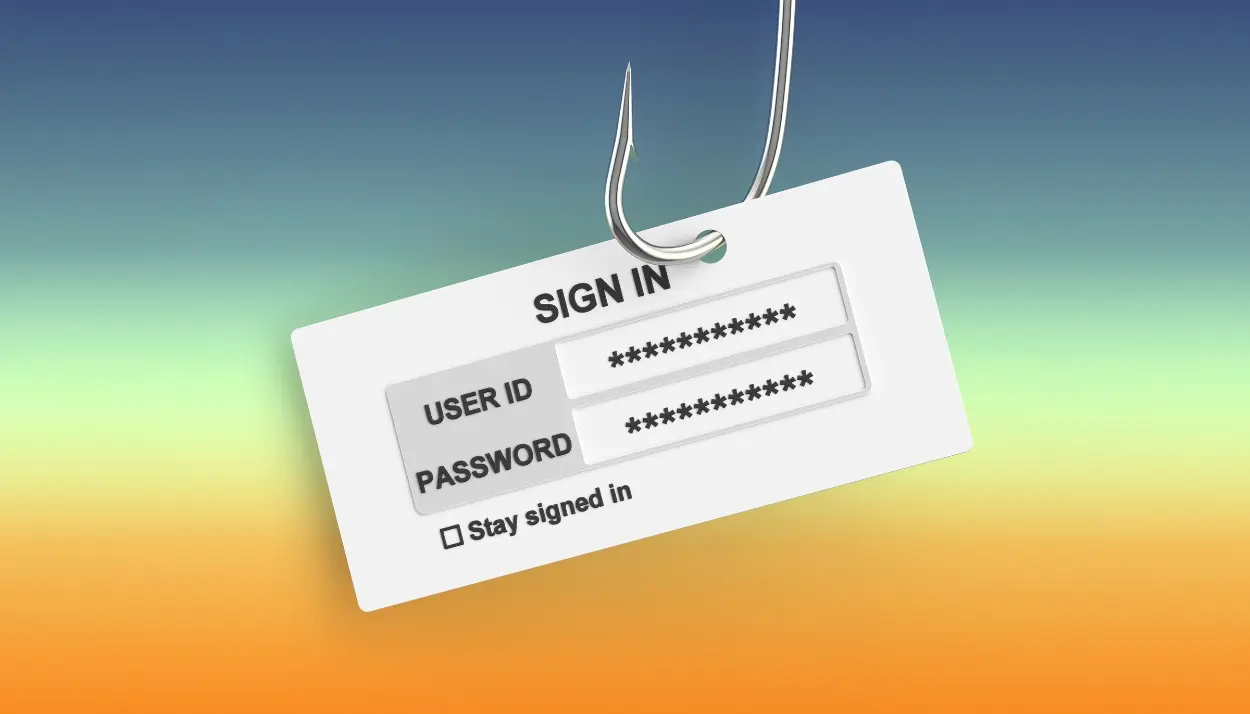
Continuously training staff in secure practices is equally vital. Employees must know how to identify and respond to shared threats like phishing and malware before they become serious problems. In addition, strict access policies, where only authorised personnel can handle sensitive information, are critical. Regular security audits and penetration tests help identify vulnerabilities and ensure up-to-date protection measures.